
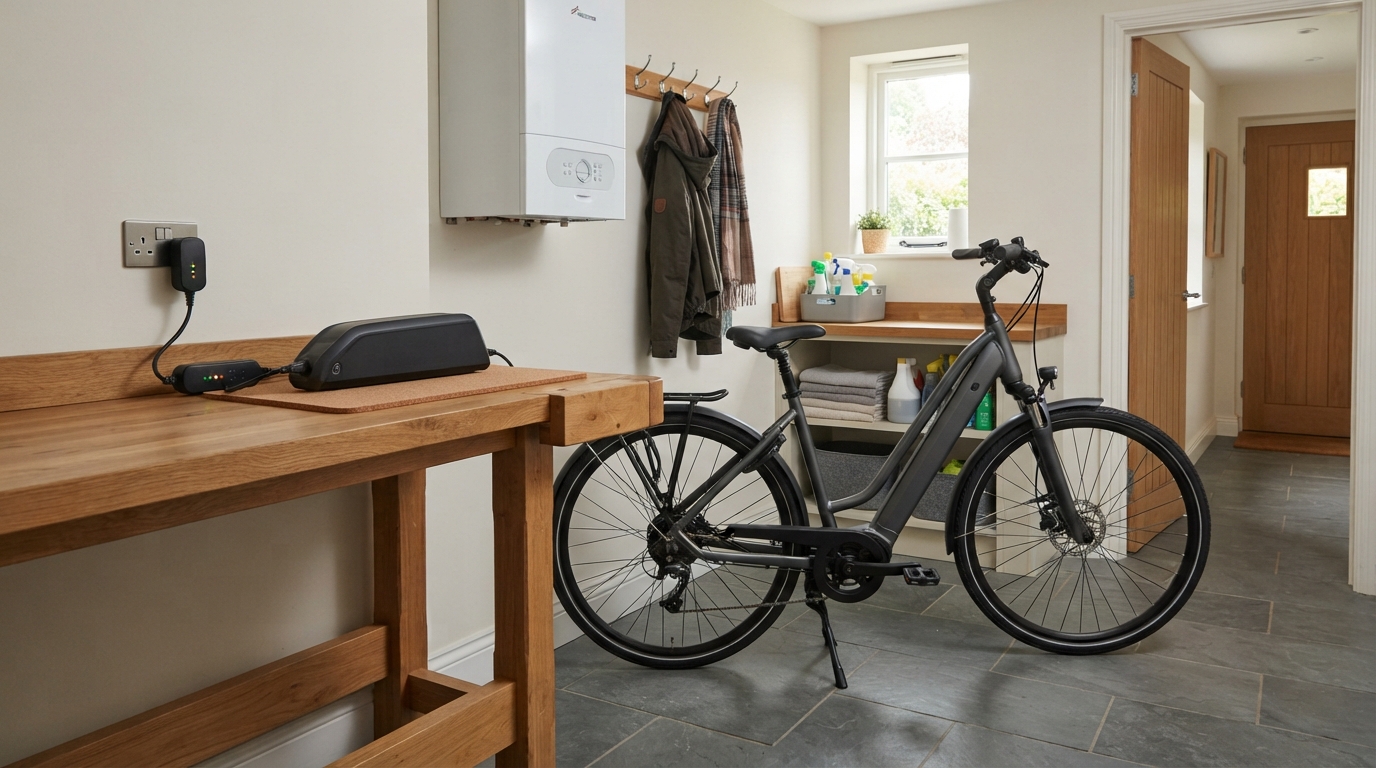
An e-bike or e-scooter battery fire can be sudden, frightening and life changing. The physical effects may include burns, smoke inhalation and injuries sustained while escaping a property. The emotional and financial consequences can also be serious. If you or someone close to you has been injured, an e-bike battery fire injury claim may be possible in some circumstances. However, compensation is never automatic. The cause of the fire, the product involved and the available evidence all matter.
London Fire Brigade attended 206 e-bike and e-scooter fires in 2025, compared with 171 in 2024. Its data shows why battery safety and product accountability have become an important issue for consumers, riders and households. London Fire Brigade’s 2025 update also notes that these fires can result in injury, loss of life and destructive damage to homes.
Why e-bike battery fires are a growing concern
E-bikes and e-scooters are used safely by many people every day. The concern arises when a lithium-ion battery, charger, conversion kit or related component is unsafe, damaged or used incorrectly. These fires can develop quickly and may spread with little warning. They can be especially dangerous when a device is charged indoors, in a hallway or near an exit.
The Government’s Buy Safe, Be Safe guidance warns that the risk can increase where batteries are poor quality, counterfeit, damaged, badly manufactured, charged with an incompatible charger, or modified with unsuitable parts. The guidance also advises people not to try to put out a lithium-ion battery fire themselves. The priority is to leave the area or building safely and call 999.
This matters from a legal perspective because the cause may not be obvious. A fire could be linked to a battery, charger, conversion work, repair, storage arrangement or a combination of factors. A careful investigation is therefore more useful than making assumptions about who is to blame.
When might an injury claim be possible?
A personal injury claim may be considered where another person or organisation may have caused or contributed to the injury through a defective product, negligent work or a failure to take reasonable care. The facts will vary considerably from case to case.
Potentially defective products
Where an e-bike, e-scooter, battery or charger may have been unsafe, the supply chain may need to be examined. Depending on the circumstances, this could include the manufacturer, importer, brand owner, distributor or retailer. The Consumer Protection Act 1987 contains rules that may be relevant where a defective product causes personal injury. Whether a product was defective, and whether that defect caused the fire and injury, usually requires evidence rather than speculation.
Repairs, conversions and workplace use
Some incidents involve a converted pedal bike, a replacement battery or work carried out by a repairer. In those cases, the quality of the work, the parts used and any advice given may be important. A claim may also raise workplace issues if an employer required or permitted charging, storage or use arrangements that were not reasonably safe. For a wider overview of proving negligence and loss, read our guide to personal injury claims in the UK.
Using a product in a way that was unsafe may also be relevant. For example, an incompatible charger, an altered battery or ignored warning signs could affect the investigation. That does not decide a claim by itself, but it is one reason why each case needs to be assessed on its own evidence.
Evidence to preserve after a battery fire
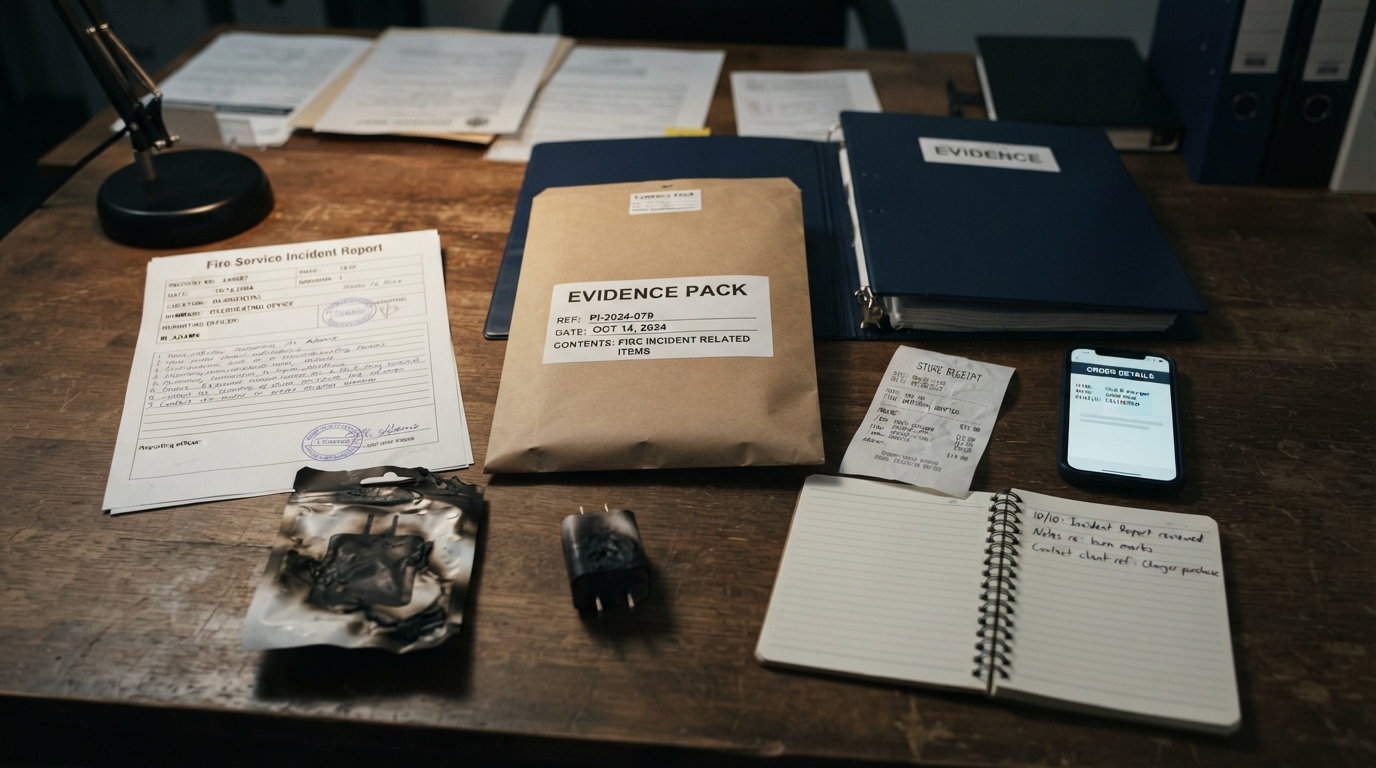
Your health and safety come first. Get urgent medical help where needed, move to a safe place and contact the emergency services. Once it is safe to do so, preserve information that could help establish what happened. Do not handle a damaged battery unnecessarily, and do not dispose of the e-bike, charger or other components before you have received appropriate advice. Fire-damaged items may contain important evidence.
Records that can help explain the incident
Keep photographs and video of the scene, the product and any visible damage if it is safe to do so. Retain the product, charger, packaging, instructions, proof of purchase, order confirmation and correspondence with the seller. If the item was bought through an online marketplace, save the listing and seller details promptly, as online listings can change or disappear.
It may also help to keep the fire-service incident reference, insurance correspondence, repair invoices and any records of alterations to the e-bike or e-scooter. Medical records are important because they document the injury, treatment and recovery. A brief diary can also help record symptoms, sleep disruption, care needs and the impact on work or daily life.
Witness details can be valuable. A neighbour, family member, colleague or first responder may have seen smoke, heard unusual noises or know how the device had been stored and charged. This evidence may help an expert identify the most likely cause, but no single document guarantees that liability will be established.
What compensation can include
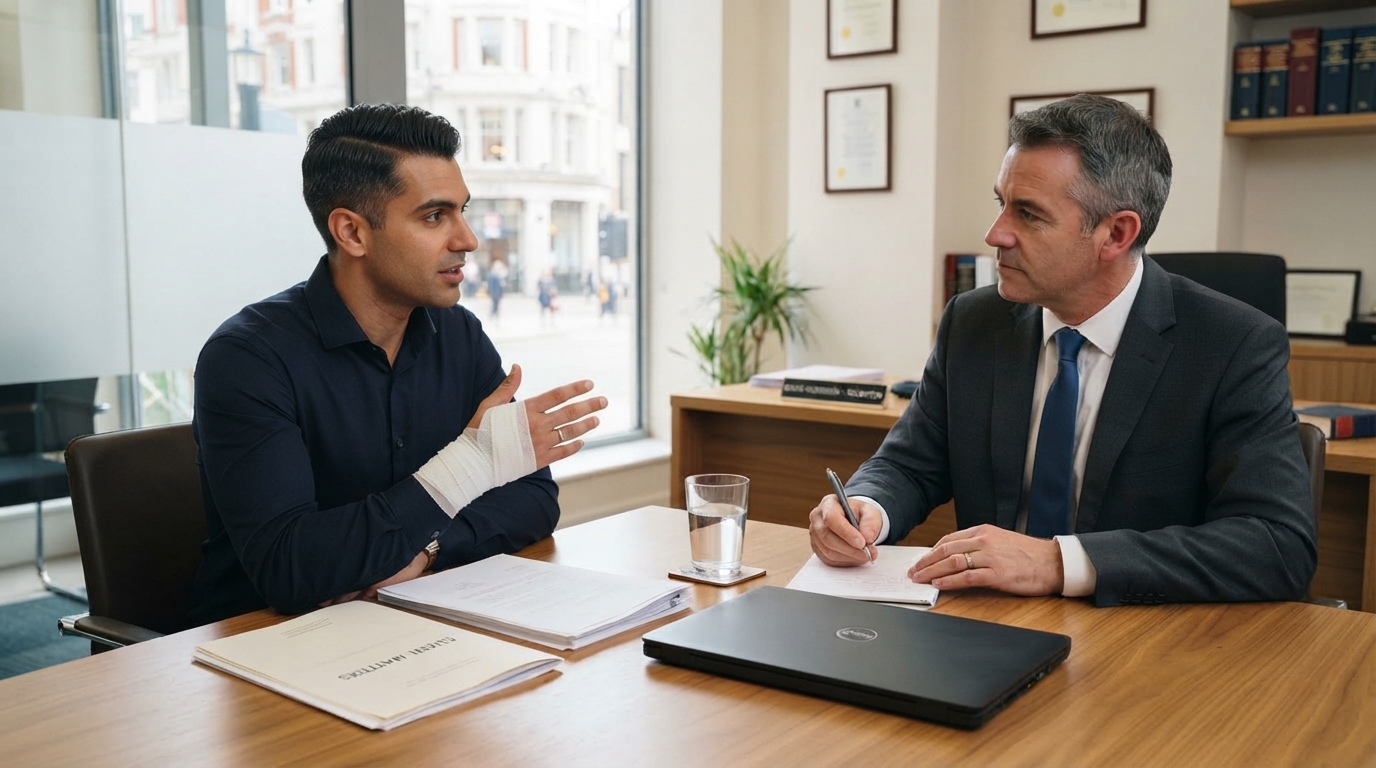
If a claim succeeds, compensation is intended to reflect the injury and the losses caused by it. General damages may address pain, suffering and the effect of the injury on day-to-day life. Special damages may include financial losses that can be evidenced, such as loss of earnings, treatment costs, travel expenses, care and assistance, or damaged personal items where legally recoverable.
The value of a claim depends on the medical evidence, the seriousness and duration of the injury, the effect on employment and the facts of the incident. It is not safe to rely on generic online compensation figures. Burns and smoke-inhalation injuries can differ greatly in severity, recovery time and long-term impact.
Steps to reduce the risk of another fire
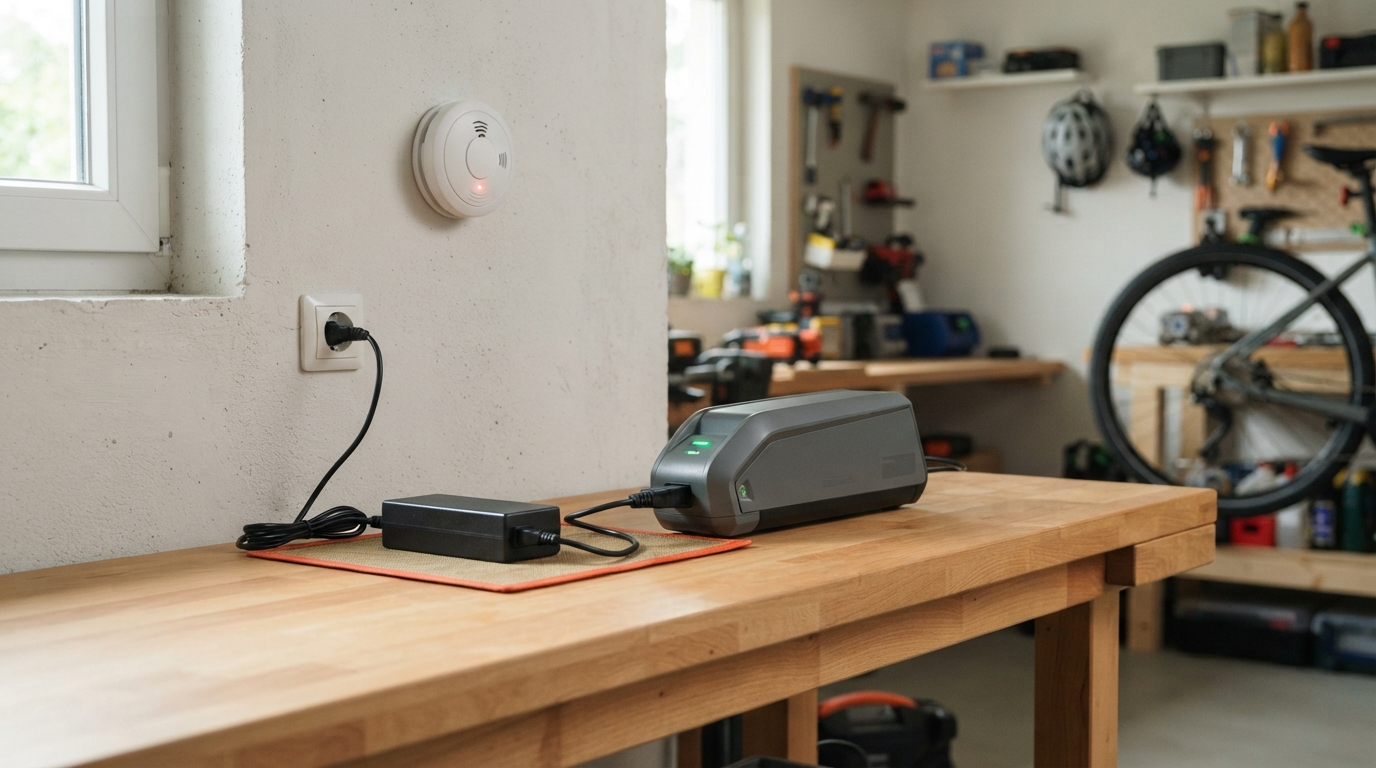
Safety steps may protect you and others while also helping you make informed decisions about future purchases. Buy from a trusted seller, check that product information is available and follow the manufacturer’s instructions. Use the correct charger for the battery, do not cover a battery or charger while charging, and unplug it when it is fully charged.
Do not charge a device when you are asleep or away from home. Avoid charging or storing it where it could block an exit. Stop using a battery or charger if it overheats, deforms, smells unusual, smokes, hisses, cracks or performs poorly. Repairs and conversions should be carried out by a competent professional, and batteries should never be tampered with.
When to seek legal advice
Early advice can be useful after a serious fire because evidence may need to be preserved and the identity of the responsible party may not be clear. A solicitor with relevant personal injury and product-liability experience can consider the circumstances, advise on possible next steps and explain funding arrangements. You may find our guide on choosing the right injury attorney for a compensation claim helpful when comparing legal representation.
This article provides general information, not legal advice. The law and procedure can differ across the UK, and the outcome of any e-bike battery fire injury claim will depend on the individual facts, evidence and applicable law. If you have been injured, seek medical attention and obtain tailored legal advice as soon as reasonably possible.

