

When you seek medical treatment, you place an enormous amount of trust in the professionals responsible for your care. Doctors, surgeons, nurses, midwives, and other healthcare practitioners are held to rigorous standards precisely because the consequences of falling below those standards can be devastating — and in some cases, permanent. When substandard medical care causes avoidable harm, the law recognises your right to seek compensation through a clinical negligence claim.
Clinical negligence — also referred to as medical negligence — is one of the most complex and fastest-growing areas of personal injury law in the UK. Claims involving the NHS, private hospitals, GPs, dentists, and other healthcare providers have risen significantly in recent years, driven by greater public awareness of patient rights and a growing body of case law that has clarified the standards healthcare professionals must meet. This guide explains what clinical negligence is, what you need to prove, what types of medical error can support a claim, and how the compensation process works.
What Is Clinical Negligence?
Clinical negligence occurs when a healthcare professional or institution provides medical treatment that falls below the standard reasonably expected of a competent practitioner in that field, and that substandard care causes the patient to suffer harm that would not otherwise have occurred. The term covers a wide range of situations, from a GP failing to refer a patient for further investigation when symptoms clearly warranted it, to a surgeon making an error during a procedure that causes lasting damage.
It is important to understand that not every adverse medical outcome amounts to clinical negligence. Medicine involves risk, and some treatments carry the possibility of complications even when carried out correctly. A claim succeeds only where the care provided fell below the accepted standard and that failure directly caused or materially contributed to the harm suffered. Both elements must be established.
NHS versus private healthcare claims
Clinical negligence claims can be brought against both NHS providers and private healthcare organisations. NHS claims are handled by NHS Resolution, the body responsible for managing negligence claims on behalf of NHS trusts in England. In Scotland, Wales, and Northern Ireland, equivalent bodies perform the same function. Private healthcare providers are typically covered by their own insurers. The legal principles governing the claim are the same regardless of whether treatment was received through the NHS or privately, though the procedural routes may differ in some respects.
What You Must Prove in a Clinical Negligence Claim
To succeed in a clinical negligence claim, you must establish three things: that the healthcare professional owed you a duty of care, that they breached that duty by providing substandard treatment, and that the breach caused you to suffer harm you would not otherwise have experienced. In practice, the second and third elements — breach and causation — are where most clinical negligence cases are won or lost.
The Bolam test: the standard of care
The legal standard against which a healthcare professional’s conduct is measured was established in the landmark case of Bolam v Friern Hospital Management Committee and remains the foundation of clinical negligence law in the UK. Under the Bolam test, a practitioner is not negligent if they acted in accordance with a responsible body of medical opinion, even if other practitioners might have taken a different approach. This means that a clinician who followed accepted practice within their specialty will generally not be found negligent, even if the outcome was poor.
However, the Bolam test was significantly qualified by the subsequent case of Bolitho, which established that the body of opinion relied upon must also be capable of withstanding logical analysis. A practice that is widespread but illogical or indefensible will not provide a defence. Courts have also developed the law on informed consent significantly, particularly following the Supreme Court’s decision in Montgomery v Lanarkshire Health Board, which established that patients must be told of all material risks associated with a proposed treatment — not merely those a reasonable doctor would choose to disclose.
Causation: the “but for” test
Establishing that the breach of duty caused your harm is frequently the most difficult aspect of a clinical negligence claim. The basic test is whether, but for the negligent treatment, you would not have suffered the harm in question. In straightforward cases, this is relatively easy to establish. In others — particularly where the claimant already had an underlying condition — it requires detailed expert medical evidence to disentangle what harm was caused by the negligence and what would have occurred in any event.

Common Types of Clinical Negligence
Clinical negligence can arise in virtually any medical context. The following are among the most frequently encountered categories of claim in the UK, though this list is not exhaustive — any area of medical practice can give rise to a negligence claim if the standard of care falls below what is required.
Surgical errors
Errors during surgical procedures can take many forms, including operating on the wrong site, causing unintended damage to surrounding tissue, organs, or nerves, leaving foreign objects inside a patient, or failing to manage post-operative complications appropriately. Surgical negligence claims often involve serious and permanent consequences, making them among the highest-value clinical negligence cases pursued in the UK courts.
Misdiagnosis and delayed diagnosis
A failure to diagnose a condition correctly, or a significant delay in reaching the correct diagnosis, can allow a condition to progress to a more serious stage when earlier intervention would have led to a significantly better outcome. Cancer misdiagnosis and delayed diagnosis claims are particularly common and can involve situations where symptoms were not properly investigated, referrals were not made when indicated, or test results were misread or overlooked.
Medication errors
Errors involving the prescription, dispensing, or administration of medication — including prescribing the wrong drug, the wrong dose, or a drug to which the patient has a known allergy — can cause serious harm. Medication errors occur across all healthcare settings, from GP surgeries and pharmacies to hospital wards and care homes.
Birth injuries
Clinical negligence during pregnancy, labour, or the immediate post-birth period can have life-altering consequences for both mother and child. Claims in this area include failures to monitor foetal distress adequately, delays in performing a caesarean section when one was indicated, improper use of forceps or ventouse, and failures to identify or treat conditions such as pre-eclampsia or group B streptococcus infection. Birth injury claims — particularly those involving cerebral palsy or hypoxic brain injury — frequently result in very substantial compensation awards reflecting the lifetime of care and support the injured child will require.
Anaesthetic errors
Errors in the administration or monitoring of anaesthesia can cause serious harm, including awareness during surgery, cardiovascular complications, and in the most serious cases, hypoxic brain injury or death. Anaesthetic negligence claims require highly specialised expert evidence and tend to be among the more technically complex cases in this area of law.

The Role of Expert Evidence in Clinical Negligence Claims
Expert medical evidence is the backbone of any clinical negligence claim. Unlike most personal injury cases, clinical negligence cannot be assessed by a judge or jury without input from qualified practitioners in the relevant medical specialty. Both breach of duty and causation must be supported by independent expert opinion, and in most cases both the claimant and the defendant will instruct their own experts, whose reports form the central battleground of the litigation.
How experts are instructed
Your solicitor will identify and instruct an appropriate medical expert — typically a practising or recently retired clinician with recognised expertise in the relevant specialty — to review your medical records and provide a written opinion on whether the care you received fell below the required standard and, if so, whether that failing caused your harm. Where multiple specialties are involved, multiple experts may be required. The cost of obtaining expert evidence is one of the reasons clinical negligence claims are more expensive to run than other types of personal injury litigation, and it is one of the factors that makes specialist legal representation particularly important in this area.
Pre-action protocol requirements
Before issuing court proceedings in a clinical negligence claim, both parties are required to follow the Pre-Action Protocol for the Resolution of Clinical Disputes. This protocol requires the claimant to send a detailed letter of claim setting out the allegations of negligence and the harm caused, and the defendant to respond within a defined timeframe. The protocol is designed to encourage early resolution and to ensure that both parties have a clear understanding of the issues before litigation begins. Many clinical negligence claims settle at this pre-action stage without the need for court proceedings.
How Much Compensation Can You Receive?
Compensation in clinical negligence claims is assessed on the same principles as other personal injury cases, comprising general damages for pain, suffering, and loss of amenity, and special damages for financial losses caused by the negligence. However, the amounts involved in clinical negligence claims are often considerably higher than in other personal injury cases, particularly where the negligence has caused permanent disability, long-term care needs, or a significant impact on the claimant’s ability to work.
General damages
General damages are assessed by reference to the nature and severity of the injury caused by the negligence, using the Judicial College Guidelines as a reference point. For straightforward injuries with a good prognosis, awards may be modest. For severe and permanent conditions — such as significant brain damage, paralysis, or the loss of a limb caused by negligent treatment — general damages alone can run into hundreds of thousands of pounds.
Special damages and future losses
Special damages in clinical negligence cases frequently include past and future lost earnings, the cost of private medical treatment or rehabilitation, the cost of care and assistance required as a result of the negligence, adaptations to the claimant’s home, and the cost of specialist equipment. In cases involving catastrophic injury or severe birth injuries, the future care element of a claim can be very substantial, sometimes running into millions of pounds when calculated over the claimant’s lifetime. For a broader understanding of how compensation is structured across different types of personal injury claims, our complete guide to personal injury claims in the UK explains the key principles in accessible terms.
Time Limits for Clinical Negligence Claims
The standard limitation period for clinical negligence claims in England and Wales is three years. This period runs from whichever is the later of two dates: the date on which the negligent treatment occurred, or the date of knowledge — that is, the date on which the claimant first knew, or ought reasonably to have known, that they had suffered a significant injury that was attributable to the act or omission of the defendant.
The date of knowledge rule is particularly important in clinical negligence cases, where the connection between treatment and harm is not always immediately apparent. A patient who was misdiagnosed and only later discovered that earlier correct diagnosis would have changed their prognosis may have three years from the date they made that connection, rather than from the date of the original misdiagnosis.
Special rules for children and those lacking capacity
Where the claimant was under the age of 18 at the time of the negligent treatment, the three-year limitation period does not begin until their 18th birthday, giving them until the age of 21 to bring a claim. Where a claimant lacks mental capacity, the limitation period does not run at all while that incapacity continues. These rules are particularly significant in birth injury cases, where claims may be brought many years after the negligent treatment.
Taking the First Steps Towards a Clinical Negligence Claim
If you believe that substandard medical care has caused you harm, taking early and informed action will protect your legal position and give your claim the strongest possible foundation.
Obtain your medical records
Request a full copy of your medical records from the relevant NHS trust or private provider as soon as possible. Under the UK General Data Protection Regulation, you are entitled to access your personal data, including medical records, and providers are required to respond to such requests within one month. Your records are the primary source of evidence about the treatment you received and are essential for any expert assessment of your claim.
Keep a detailed record of your symptoms and losses
Keep a contemporaneous record of your symptoms, the impact of your condition on your daily life and ability to work, and any financial losses you have incurred as a result of the negligent treatment. Retain all relevant receipts, payslips, and correspondence. This record will support both the general and special damages elements of your claim and will help your solicitor and expert assess the full extent of the harm you have suffered.
Seek specialist legal advice without delay
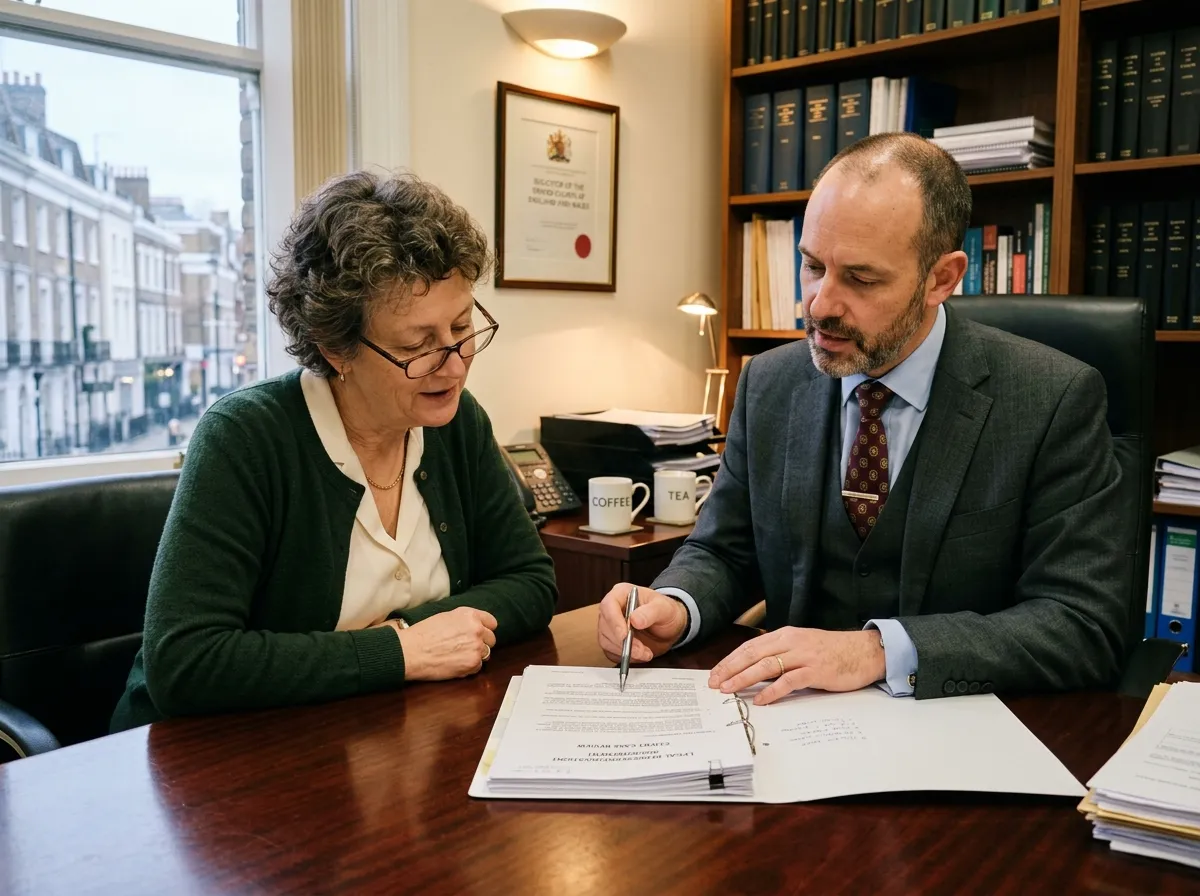
Clinical negligence is one of the most technically demanding areas of personal injury law, and specialist legal representation from the outset is strongly advisable. A solicitor with specific experience in clinical negligence will be able to assess the merits of your potential claim, identify the appropriate expert witnesses, navigate the pre-action protocol requirements, and advise you on the likely value and timescale of your case. Most clinical negligence solicitors offer an initial assessment on a no win no fee basis, meaning you can explore your options without financial risk. For guidance on what to look for when choosing a solicitor for any personal injury matter, our guide on how to choose the right injury attorney sets out the key questions to ask. You may also find it helpful to review our guide on workplace injury compensation, which explains the wider framework of duty of care that applies to both employers and healthcare providers in the UK.
Clinical negligence claims are rarely straightforward, and they require patience as well as careful preparation. But where substandard medical care has caused genuine and avoidable harm, the law provides a meaningful route to justice — and the right legal team makes all the difference in navigating it successfully.

